


Who Needs Screening
All pregnant women benefit from antenatal screening tests, especially those with medical conditions, previous pregnancy complications, or advanced maternal age.


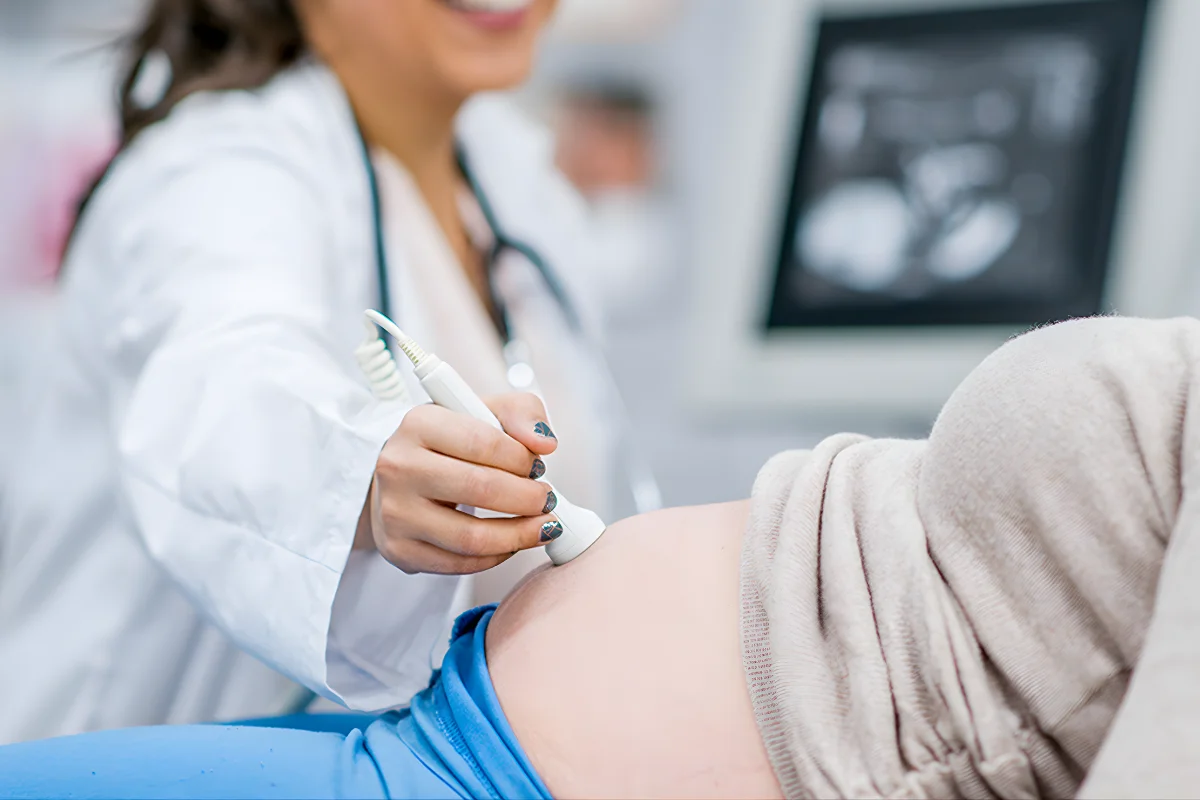
Antenatal screening tests are essential for monitoring the health of both mother and baby throughout pregnancy. At Dr. Nishitha Mannem’s clinic in Nagole, Hyderabad, antenatal screening focuses on early detection of medical, genetic, and developmental concerns using accurate diagnostic methods, ensuring timely medical guidance, risk assessment, and personalised pregnancy care plans for every expectant mother.
Antenatal screening plays a critical role in ensuring safe pregnancy outcomes by identifying risks early, guiding timely medical intervention, and supporting fetal development through consistent monitoring and professional evaluation.
Helps identify potential pregnancy complications early, enabling prompt medical management and safer maternal outcomes.
Screening schedules are customised based on medical history, pregnancy stage, and individual risk factors.

All pregnant women benefit from antenatal screening tests, especially those with medical conditions, previous pregnancy complications, or advanced maternal age.
Antenatal screening includes a range of diagnostic tests designed to monitor pregnancy health accurately and safely throughout different stages of gestation.

Assess maternal health and detect infections early .

Monitor fetal growth and structural development.

Identify chromosomal or inherited abnormalities.
The antenatal screening process is carefully planned to ensure accuracy, patient comfort, and timely diagnosis, supporting healthy pregnancy progression and informed medical decisions.
Medical history review and pregnancy risk evaluation performed thoroughly.
Screenings conducted at appropriate pregnancy milestones for accuracy.
Clear explanation of reports and guidance provided.
Antenatal screening tests help detect potential health issues early in pregnancy, allowing doctors to manage risks before complications develop. They support safer pregnancies and healthier babies through timely medical guidance.
Yes, antenatal screening tests are safe and routinely recommended. Most tests are non-invasive and performed using proven diagnostic methods.
The frequency depends on pregnancy stage, medical history, and risk factors. Your doctor will create a personalised screening schedule.
Yes, high-risk pregnancies often require more frequent and specialised screening for close monitoring and safety.
Abnormal results are carefully evaluated, explained clearly, and followed by further testing or treatment if needed, ensuring informed decisions and appropriate care.